


The solar farm I'm fighting took a hit at yesterday's meeting. I counted three of the five commissioners on the Planning and Zoning Commission who seemed highly dubious about the project—I’d go as far as to say they were strongly against it. A fourth seemed to be leaning the same way.
A few of my neighbors showed up and voiced their displeasure, which I was glad to see. Arizona Game and Fish was there as well, and it didn’t sound like the developer was following their strong recommendations regarding pronghorn migration. Honestly, I think we can kill this thing—provided the other ranchers and landowners stick together.
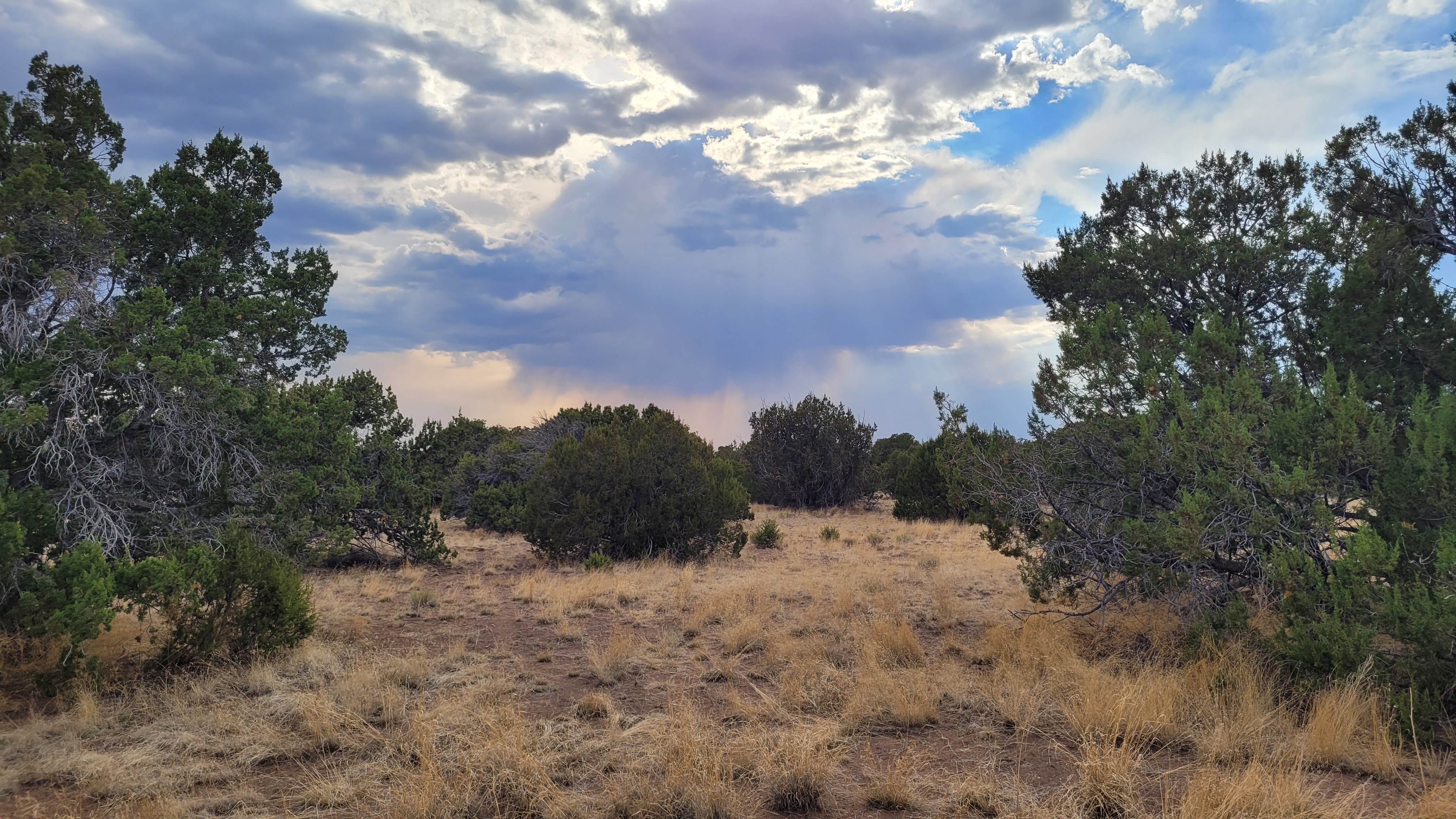
The picture below shows the area they want to bulldoze and cover in solar panels—3,200 acres. That’s five 640-acre sections of prime elk, deer, and antelope habitat. The land is also used by local ranchers with grazing rights. While I was out there yesterday, I saw elk, speed goats, and cattle roaming that land. These solar farms are an ecological travesty.
In the first half, attorney Sean Maloney from Second Call Defense joins me to explain the lessons gun owners can learn from what happened to Kyle Rittenhouse.
In the second half, I discuss a home invasion case from Oceanside California in which the homeowner successfully defended himself.